

4 Creative Ways to Use Glue Dots in the ESL Classroom

Glue dots might just be the unsung heroes of classroom supplies. These tiny, adhesive wonders offer a mess-free alternative to liquid glue and can transform the way we engage with classroom materials. Today, we'll explore four creative ways to incorporate glue dots into your classroom activities, enhancing everything from flashcards and board games to task cards and visual aids. The product that I'm talking about today is Aleene's TACK IT over and Over! It's a re-positionable adhesive that is amazing for classroom use! (The above is an amazon affiliate link)! There are so many ways to use this product. In this blog post I'll be mentioning a few!
1. Flashcards with a Twist
Flashcards are a staple in many classrooms, used for everything from vocabulary building to math practice. Glue dots can make these tools even more versatile:
- Interactive Learning Walls: Attach glue dots to the back of flashcards and create an interactive learning wall. Students can easily remove and replace the flashcards, making it a dynamic way to practice and review concepts.
- Matching Games: Create matching games where students have to pair a question with the correct answer. Use glue dots to attach one part of the pair to the board, and let students place the matching card next to it.
- Flashcard Flipbooks: Stack flashcards together with glue dots, creating a flipbook. This can be particularly useful for sequential learning, such as steps in a process or chronological events.
2. Board Games Made Easy
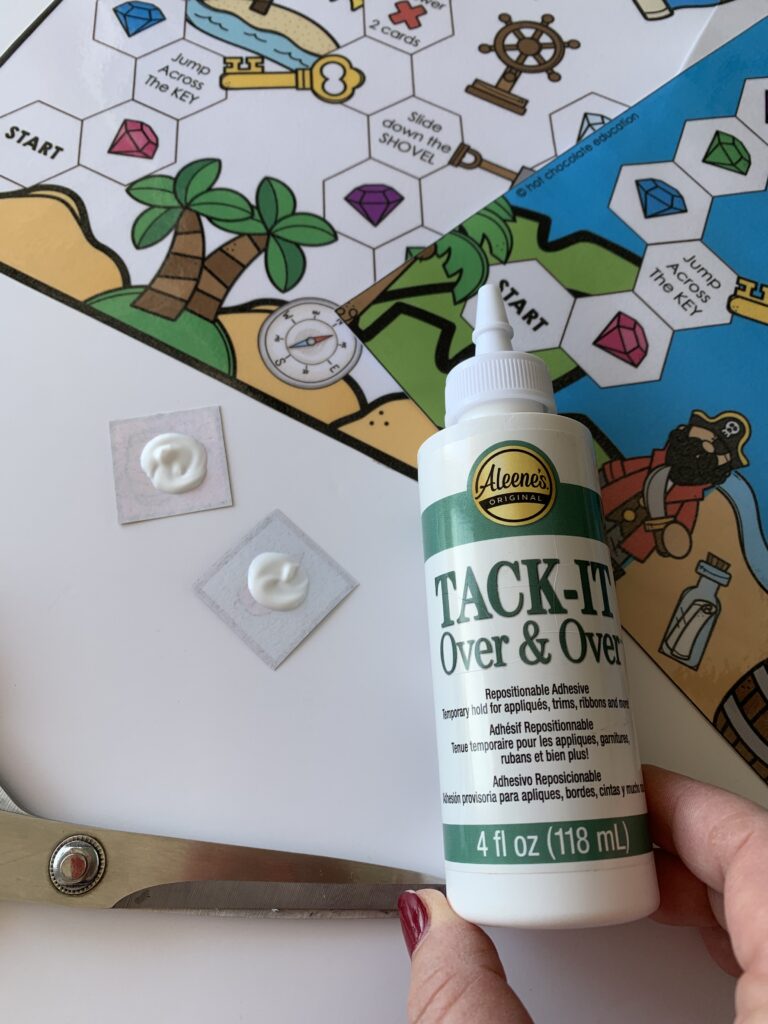
Board games are fantastic for fostering learning through play, but they often come with loose pieces that are easy to lose. Glue dots can help keep everything in place. You can create a dime size glue dot on the back of any game pieces that you would like to stick (but be removable and re-positionable).
- Secured Game Pieces: Use glue dots to temporarily attach game pieces to the board. This is perfect for games with young children who might accidentally bump the board.
- DIY Board Games: Create your own board games by designing a game board on poster paper and using glue dots to attach game pieces, spinners, and cards. The flexibility of glue dots allows you to change and update the game easily.
- Reusable Scoreboards: Design a scoreboard where students can move their markers up and down based on their progress. Glue dots keep the markers in place but allow for easy adjustment.
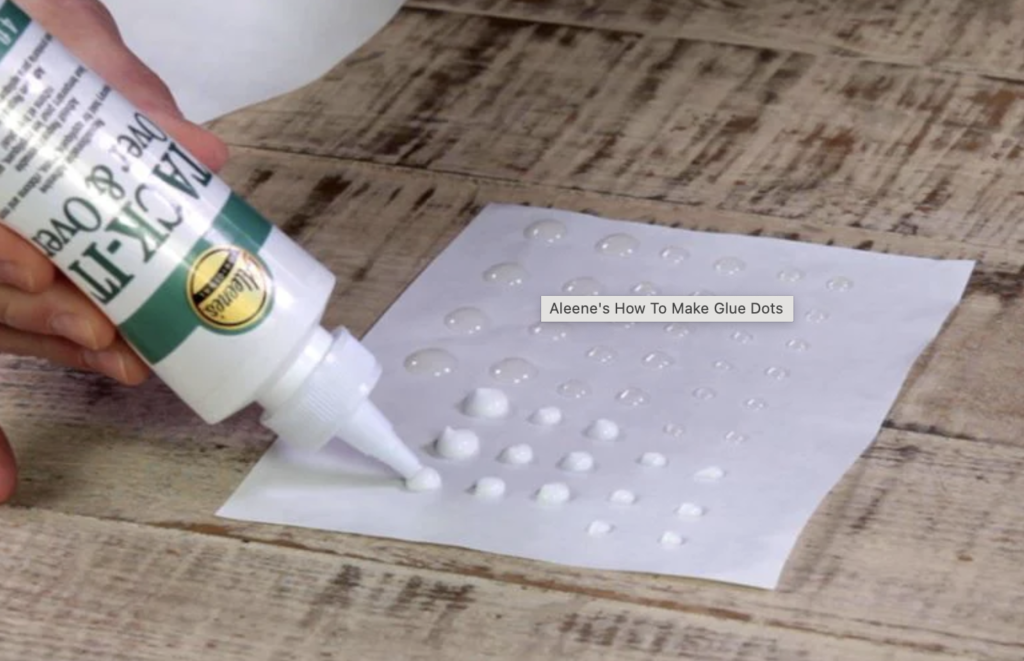
You can also make glue dots on a piece of wax paper that can be attached to any classroom visual aid! Squeeze out glue dots of any size and let them dry! The dots will be white when they are wet and clear when they are ready to use! Make sure to allow adequate drying time. Aleene's Tack it Over and Over
3. Task Cards on the Move
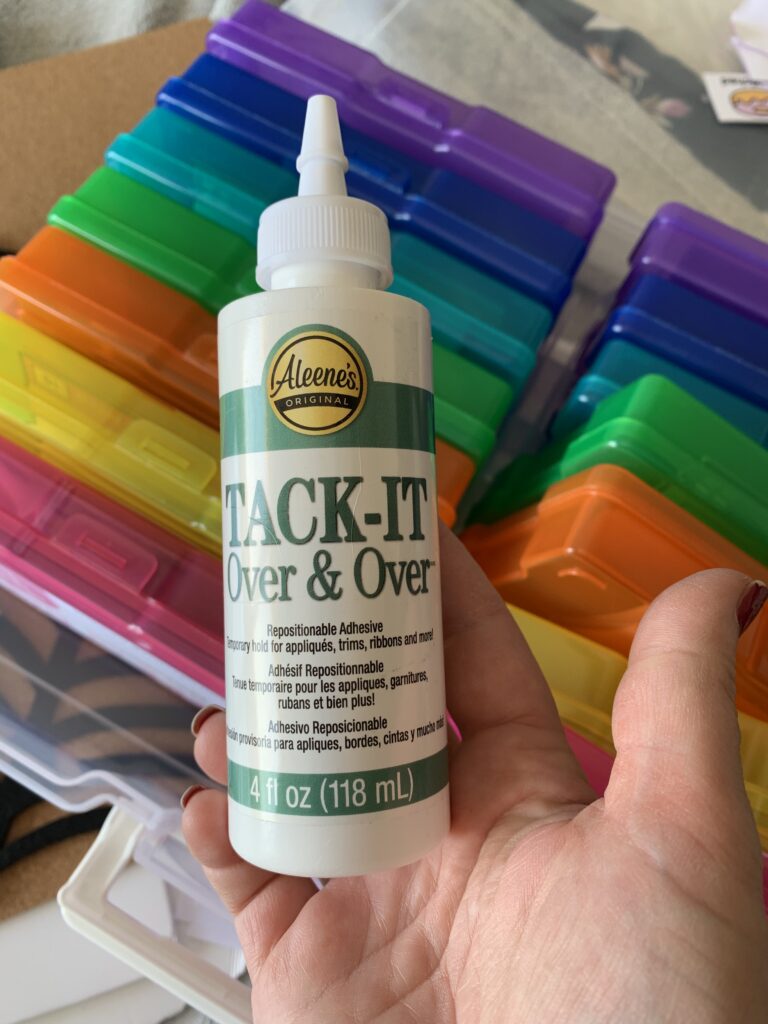
Task cards are a great way to engage students in individual or small group activities. Glue dots can make these cards even more effective. You can use Aleene's Tack It Over and Over to make these glue dots!
- Rotating Stations: Attach task cards to different stations around the classroom using glue dots. Students can easily move the cards from one station to another, ensuring a seamless transition during activities. Check out some of our fantastic task card sets that can be used in classroom activities! You can also see this blog post about Creative Ways to Use Task Cards in the Classroom
- Task Card Rings: Create task card rings by sticking cards together with glue dots. This allows students to flip through tasks at their own pace, and the cards can be easily removed or replaced as needed.
- Interactive Notebooks: Incorporate task cards into interactive notebooks. Glue dots allow students to place and remove cards in their notebooks without damaging the pages, making it easy to revisit and review the material.
4. Engaging Visual Aids
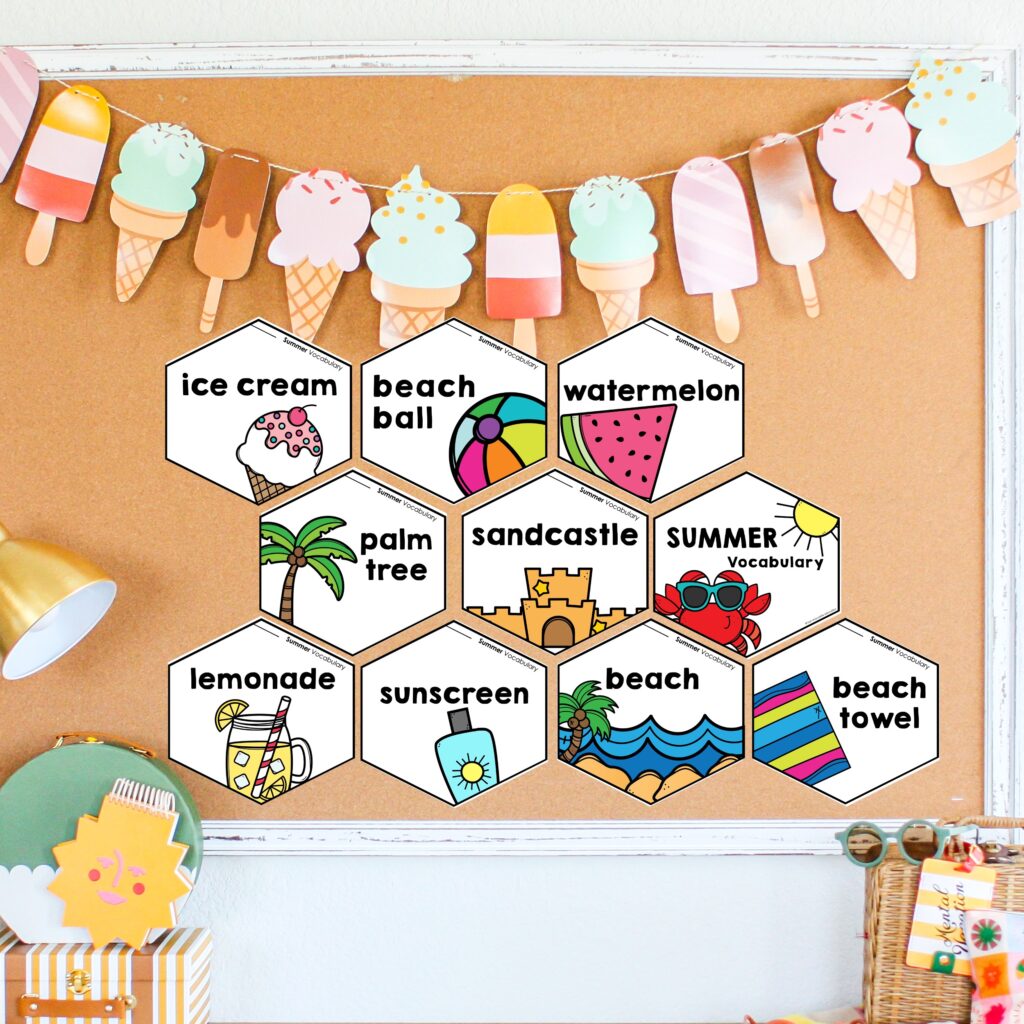
Visual aids are essential for enhancing comprehension and retention of information. Glue dots can make these aids more interactive and engaging. Attach visuals like this summer vocabulary bulletin board kit with glue dots
- Moveable Charts and Graphs: Use glue dots to attach parts of charts and graphs to the board. Students can manipulate the pieces to better understand data and concepts.
- Story Sequencing: Glue dots allow students to rearrange events or story elements, aiding in comprehension and retention.
- Interactive Bulletin Boards: Design bulletin boards where elements can be moved around. This can be particularly useful for subjects like vocabulary learning, where students can label pictures by moving pieces attached with glue dots.
Conclusion
Glue dots are incredibly versatile and can bring a new level of interactivity and engagement to your classroom. From flashcards and board games to task cards and visual aids, these small but mighty tools can make a big difference. Try out these creative ideas and watch your classroom activities come to life with the help of glue dots!
Happy teaching,